


Showing posts with label Animal Kingdom. Show all posts
Showing posts with label Animal Kingdom. Show all posts
Tuesday, May 06, 2014
Tigers and Leopards
By Squiver
This is an impression of a unique and spectacular photo tour, focusing on the two prettiest and most elusive big cats: tigers and leopards. Want to join us in South-Africa (!) to photograph tigers and leopards, and improve your photography skills at the same time?


Saturday, April 19, 2014
The Escape Artists
Honey badgers escape from their enclosure using anything from mud balls to rakes.
Courtesy Of: The BBC
Friday, January 17, 2014
Polar Bears In SunSet
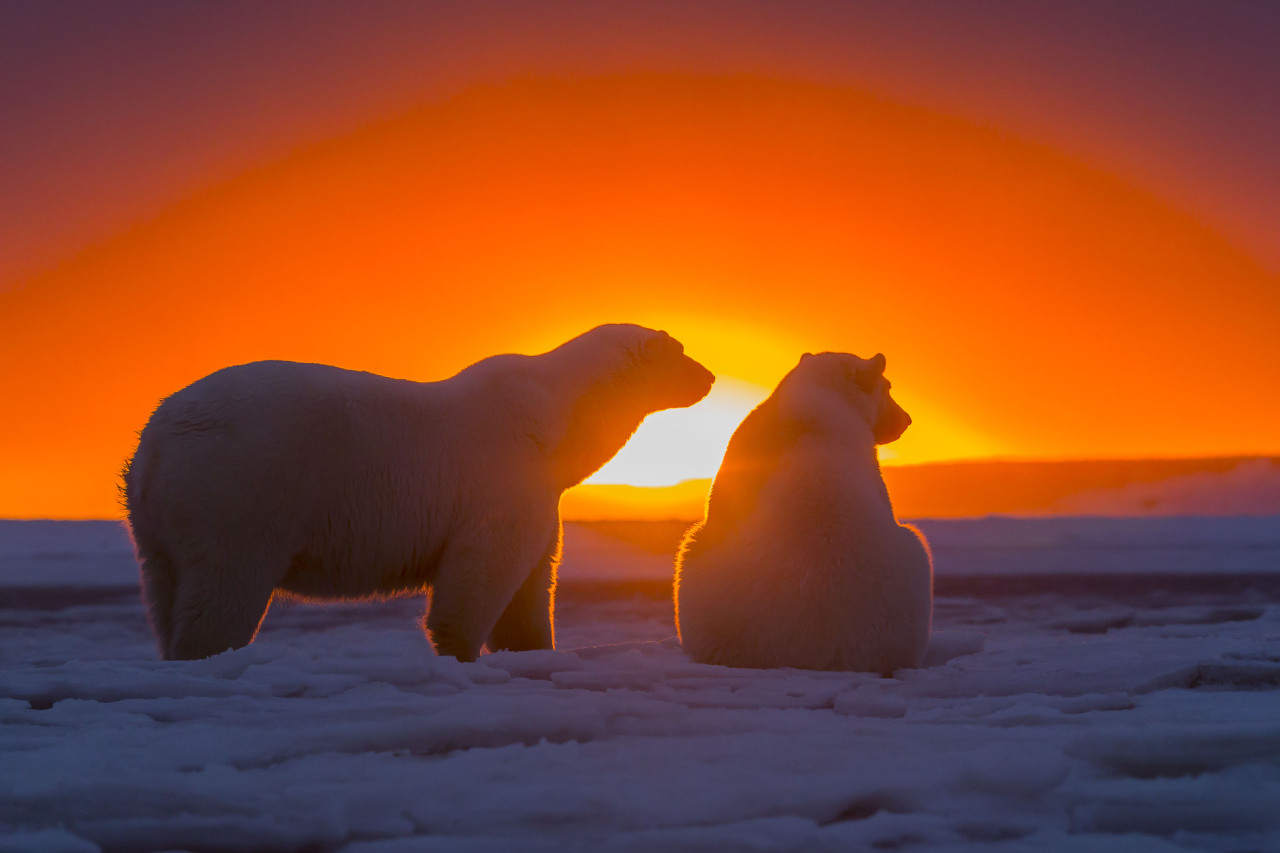
They’re usually pictured against a bright white backdrop but this family of polar bears bathed in a vibrant reds, yellows and oranges as they watched a glorious sunset in Alaska.The stunning shots capture the moment a female bear and her two cubs enjoyed the last warm rays of the sun at the Arctic National Wildlife Refuge in Kaktovik. The bears can be seen gazing at the vibrant sunset and appear to revel in the tranquil moment as they bask in the array of colors.Photographer, Sylvain Cordier, spent three weeks following the bears to capture the memorable moment. The 67-year-old from Alsace in France said: I was lucky because I was photographing a very calm and cooperative mother and her two large cubs.
Photographer: Sylvain Cordier,
Caters News
2 more photos @: Yahoo Photos
Caters News
2 more photos @: Yahoo Photos
Thursday, December 26, 2013
Take Flight
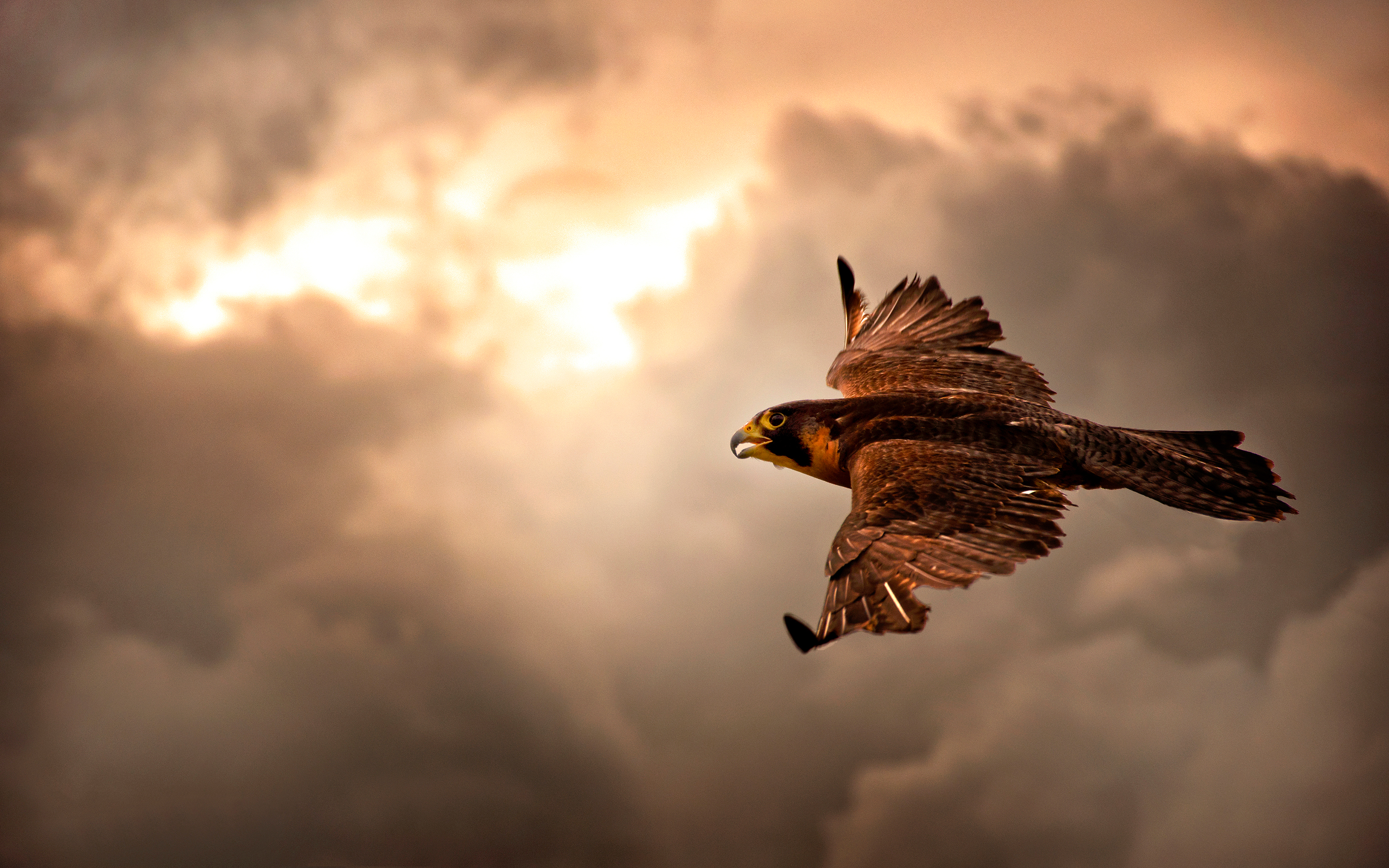
For everything in this journey of life we are on, there is a right wing and a left wing: for the wing of love there is anger; for the wing of destiny there is fear; for the wing of pain there is healing; for the wing of hurt there is forgiveness; for the wing of pride there is humility; for the wing of giving there is taking; for the wing of tears there is joy; for the wing of rejection there is acceptance; for the wing of judgment there is grace; for the wing of honor there is shame; for the wing of letting go there is the wing of keeping.
We can only fly with two wings and two wings can only stay in the air if there is a balance. Two beautiful wings is perfection.
There is a generation of people who idealize perfection as the existence of only one of these wings every time. But I see that a bird with one wing is imperfect. An angel with one wing is imperfect. A butterfly with one wing is dead.
So this generation of people strive to always cut off the other wing in the hopes of embodying their ideal of perfection, and in doing so, have created a crippled race.
Quote by: C. JoyBell C.
Quote provided by: CZ
Sunday, December 22, 2013
Wolf
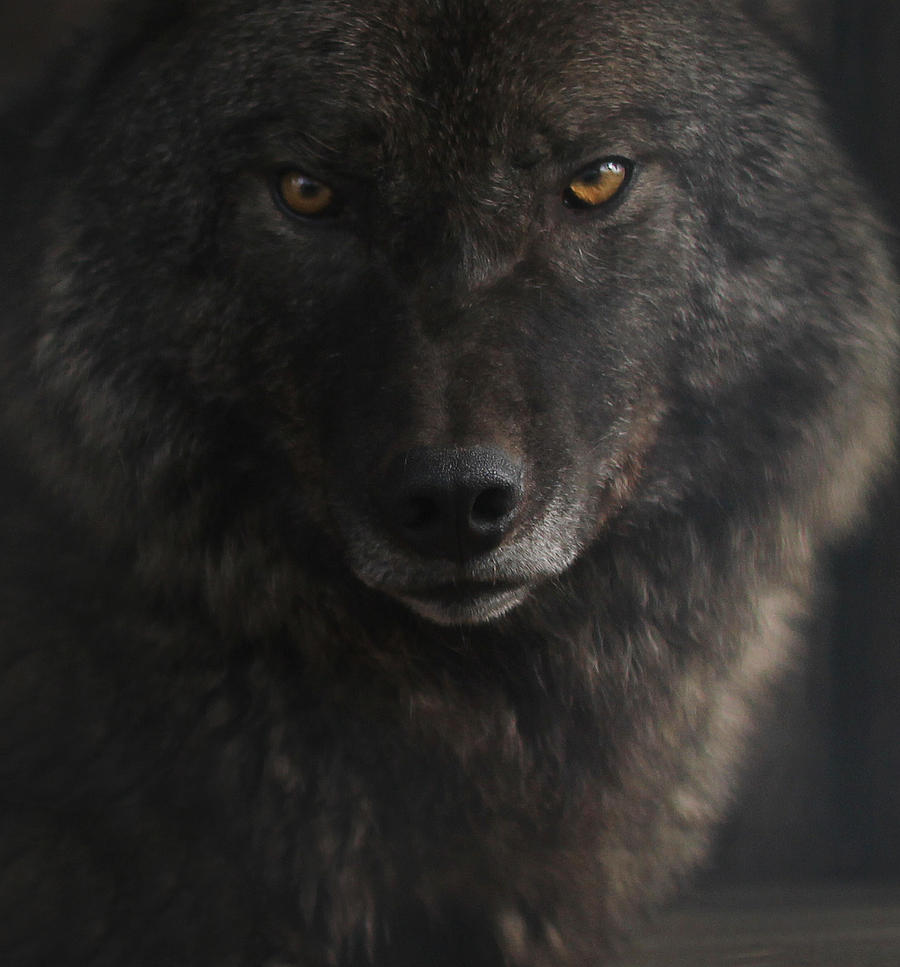
We have doomed the wolf not for what it is, but for what we deliberately and mistakenly perceive it to be –the mythologized epitome of a savage ruthless killer – which is, in reality, no more than a reflected image of ourselves.
By KargapolovR
Quote by: Farley Mowat, Never Cry Wolf
Quote provided by: CZ
Quote by: Farley Mowat, Never Cry Wolf
Quote provided by: CZ
Friday, December 13, 2013
Giant Bat Captured
A gargantuan bat appears to have been caught by military personnel in the Philippines. This is probably some species of megabat, referred to as a flying fox. These bats can have wingspans close to 6 feet wide.
Monday, November 11, 2013
Merlin
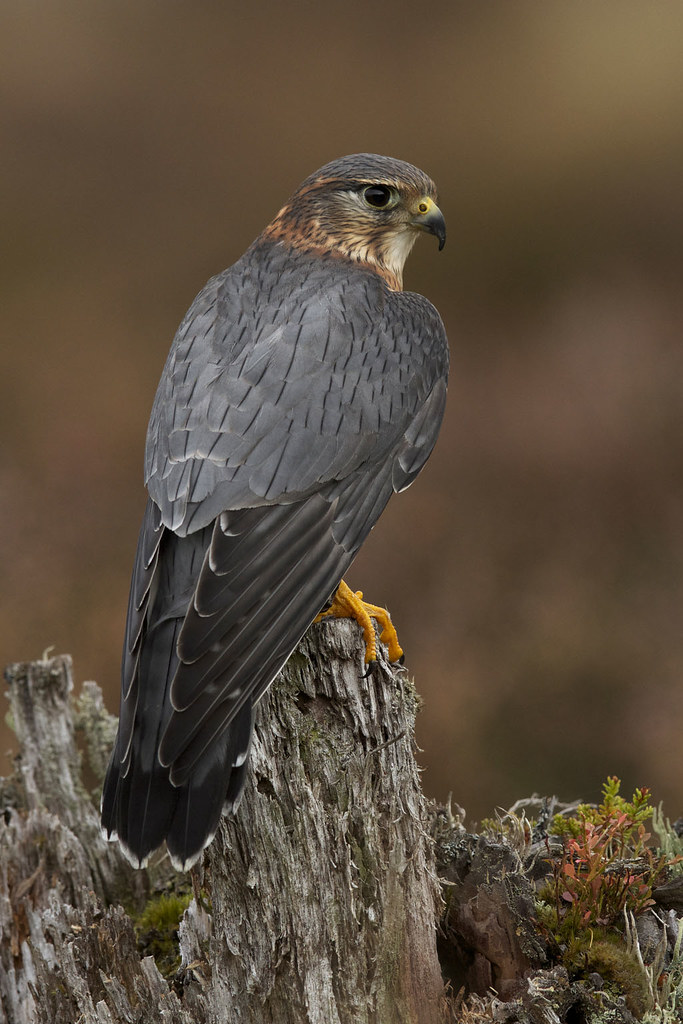
The quality of decision is like the well-timed swoop of a falcon which enables it to strike and destroy its victim.
By Roger Wasley
Taken on October 30, 2013
Quote by Sun Tzu
Quote provided by CZ
Taken on October 30, 2013
Quote by Sun Tzu
Quote provided by CZ
Saturday, September 28, 2013
Jaguar Attacks Caiman
When a jaguar pounces, sometimes one bite is all it takes to get a meal. National Geographic has exclusive video of a jaguar taking down a caiman in Brazil's Pantanal wetlands, photos of which went viral earlier this month. Luke Dollar, a conservation scientist who helps manage National Geographic's Big Cats Initiative, explains the hunt and explosive moment of predation.
Read the article from National Geographic News:
http://news.nationalgeographic.com/ne...
VIDEOGRAPHERS: Kedar Hippalgaonkar and Parul Jain
NARRATOR: Luke Dollar
EDITOR: Will Halicks
SPECIAL THANKS: Jason Kurtis
RESEARCH: Joe Lemeris
Thursday, August 08, 2013
Speed Kills: Ocean
Courtesy Of The Smithsonian Channel
Dive into the animal kingdom's underwater battlefield, where marlins attack at breakneck speeds, dolphins coordinate complex strikes, and stone Fish hide in plain sight.
Wednesday, July 31, 2013
Leopards
Courtesy Of The BBC
Jonathan Scott narrates the extraordinary story of the leopard - the one big cat that still survives across half the world while tigers, cheetahs and lions are all struggling.
By following the lives of leopard mothers and their cubs in East Africa, the film investigates what it is about the natural history of these cats that makes them born survivors.
Perhaps the most extraordinary revelation is that leopards are living undercover on farms and even in cities across Africa and Asia.
Wednesday, June 19, 2013
Wednesday, May 29, 2013
Speed Kills - This is Why You Can't Outrun a Cheetah
Courtesy Of "The Smithsonian Channel"
With a flexible spine and feet like tire treads, the cheetah is built not only for speed - but for unrivaled acceleration.
Tuesday, May 28, 2013
The Ferocious Tigerfish
Courtesy Of The Smithsonian Channel
With giant teeth and a ferocious attitude, African tigerfish are dominant, terrifying predators; they've even been known to work together to take on larger land animals.
Sunday, April 14, 2013
Tarantula The Size Of A Human Face Discovered

Its legs, which have unique daffodil-yellow markings, span a massive 20cm (eight inches). The arachnid also has a distinctive pink band around its body.
The new species was found in the war-torn north of the South Asian country by scientists from Sri Lanka's Biodiversity Education and Research (BER) organisation.
It has been named Poecilotheria rajaei, in recognition of a senior police officer called Michael Rajakumar Purajah who guided the research team through a hazardous jungle overrun by civil unrest in order to seek out the spider.

The arachnid had originally been presented to BER three years ago by villagers in Mankulam who had killed a male specimen.
Scientists immediately realised the dead spider was not like anything they already knew and a group was charged with finding any living relatives.
The living Poecilotheria rajaei were eventually discovered in the former doctor's quarters of the village's hospital.
According to wired.com, Ranil Nanayakkara, the co-founder of BER, said: "They are quite rare.

"They prefer well-established old trees, but due to deforestation the number have dwindled and due to lack of suitable habitat they enter old buildings."
The website described the tarantula as "colourful, fast and venomous".
The species is said to be related to a class of South American tarantula that includes the Goliath bird-eater, one of the world's largest spiders.
In other reports Mr Nanayakkara is quoted as saying none of the tarantulas found in Sri Lanka have bites that are deadly to humans. However, the Poecilotheria rajaei would be able to kill animals as large as mice, lizards and small birds and snakes.

Peter Kirk, who covered the discovery for the British Tarantula Society's journal, told Sky News: "Ranil has been working on these spiders since 2009 out in Sri Lanka and this is the first of what is thought to be a number of new species he has discovered in what was previously the inaccessible northern region of the island.
"It demonstrates that wildlife continues to survive whilst we are in the throes of conflict and that they can adapt to its changing environment - but also highlights that we risk destroying the habitats of species new to science and condemning them to extinction before they are even discovered."
Source: Sky News
Friday, March 15, 2013
National Geographic Wild Worlds Weirdest Freaks Of Nature
A national geographic documentary on the life of extraordinary species and the way the live and hunt other animals, very thrilling and educational.
Sunday, March 03, 2013
Dolphins Form Life Raft To Help Dying Friend
Everybody's favourite cetacean just got a little more lovable. For the first time, dolphins have been spotted teaming up to try to rescue an injured group member. The act does not necessarily mean dolphins are selfless or can empathise with the pain of their kin, however.
Kyum Park of the Cetacean Research Institute in Ulsan, South Korea, and colleagues were surveying cetaceans in the Sea of Japan in June 2008. They spent a day following a group of about 400 long-beaked common dolphins (Delphinus capensis).
In the late morning they noticed that about 12 dolphins were swimming very close together. One female was in difficulties: it was wriggling and tipping from side to side, sometimes turning upside-down. Its pectoral flippers seemed to be paralysed.
Life Raft
The other dolphins crowded around it, often diving beneath it and supporting it from below. After about 30 minutes, the dolphins formed into an impromptu raft: they swam side by side with the injured female on their backs. By keeping the injured female above water, they may have helped it to breathe, avoiding drowning (see video, above).
After another few minutes some of the helper dolphins left. The injured dolphin soon dropped into a vertical position. The remaining helpers appeared to try and prop it up, possibly to keep its head above the surface, but it soon stopped breathing, say the researchers. Five dolphins stayed with it and continued touching its body, until it sank out of sight.
"It does look like quite a sophisticated way of keeping the companion up in the water," says Karen McComb at the University of Sussex in Brighton, UK. Such helping behaviours are only seen in intelligent, long-lived social animals. In most species, injured animals are quickly left behind.
animals. In most species, injured animals are quickly left behind.For The Love Of Pod
While it may seem selfless to help an injured fellow, McComb says the helper dolphins might get some benefit. Rescuing the struggling dolphin could help maintain their group, and thus control of their territory. Furthermore, if the group contains close relatives, protecting those relatives helps the dolphins preserve their shared genes.
The simple act of working together could also bond the group more strongly. "It makes a lot of sense in a highly intelligent and social animal for there to be support of an injured animal," McComb says.
The act of helping also seems to suggest that the dolphins understand when others are suffering, and can even empathise: that is, imagine themselves in the place of the suffering dolphin. But while this is possible, McComb says the helping behaviour could evolve without the need for empathy.
There have been reports of single dolphins helping others, generally mothers helping their calves, but no cases of groups of dolphins working together to help another. Dolphins have also been seen interacting with the corpses of dead dolphins, which some researchers interpret as a form of mourning.
Via: "New Scientist"
Saturday, February 09, 2013
The Starlings Amazing Air Ballet
This astonishing sequence was filmed by wild life cameraman and travel journalist Dylan Winter who is currently sailing around the UK in an 18 foot boat.
You can follow his journey and see more of his work at: Keep Turning Left
Friday, February 08, 2013
Whales Give Dolphins A Lift
Many species interact in the wild, most often as predator and prey. But recent encounters between humpback whales and bottlenose dolphins reveal a playful side to interspecies interaction.
In two different locations in Hawaii, scientists watched as dolphins "rode" the heads of whales: the whales lifted the dolphins up and out of the water, and then the dolphins slid back down.
The two species seemed to cooperate in the activity, and neither displayed signs of aggression or distress.
Whales and dolphins in Hawaiian waters often interact, but playful social activity such as this is extremely rare between species.
The latest Bio Bulletin from the Museum's Science Bulletins program presents the first recorded examples of this type of behavior. Visitors to AMNH may view the video in the Hall of Biodiversity until February 9, 2012.
Science Bulletins is a production of the National Center for Science Literacy, Education, and Technology (NCSLET), part of the Department of Education at the American Museum of Natural History.
Find out more about Science Bulletins athttp://www.amnh.org/sciencebulletins/.
Tuesday, January 15, 2013
Parrot Parents Name Their Babies
Parrots, with their amazing abilities to mimic speech and talk to humans in addition to each other, are by far impressive communicators. But research shows that parrot conversations are even more complex. Each parrot has its own signature call that others use to address it, which is the parrot equivalent of having a name. But where do these “names” come from? New research has shown that just like with human babies, parrot parents name their offspring, even before the babies can communicate themselves.
The research, led by Karl Berg of Cornell University, used video cameras to record the communication process of green-rumped parrots (Forpus passerinus) in Venezuela. The wild parrot study showed that even before chicks begin to chirp back at their parents, adults give them a signature sound by which they are addressed. The babies will take this sound and in some cases tweak it before using it throughout their life.
Scientists have known for some time that parrots use these signature calls to refer to each other. Observing the process in captive birds led researchers to wonder how wild parrots dealt with naming, because it could show how names are given. The researchers felt there were two possibilities for how parrots get their names: it could be biologically innate (each bird names itself) or assigned by another older bird, which turned out to be the case.
For the study, the researchers placed video cameras in 16 green-rumped parrot nests in Venezula. These birds are part of a large wild population that has been living in nesting tubes rigged up by scientists in 1987. The researchers then moved around the parrot eggs so that half of the colony were raising babies that weren’t theirs genetically. Recordings of the calls made by the parents before the chicks were able to chirp , and of the calls once the chicks were individually vocal showed that parents started making the calls when the birds were very young. Additionally, the recordings showed that the parent’s calls provided a basis on which the baby would imitate and tweak their own name. The names bore more similarity to the parents that raised the offspring, than the biological parents, suggesting that the calls are in fact learned by the chicks rather than innate.
Parrots are not the only animals known to have names. In addition to humans, dolphins also use specific names for each individual. Researchers believe that the sophisticated social lives of these animals may be what drives the need to have names. For parrots, having a name is a valuable tool for knowing who is who when flocks change or shift members.
This discovery shows interesting corollaries between human communication and parrot communication that may be useful for subsequent studies of speech development. The studywas published in Proceedings of the Royal Society B.
Via: "GeekoSystem"
Sunday, January 13, 2013
Found: Pygmy Whale Thought Extinct For 2 Million Years

The pygmy whale, a mysterious cetacean that looks radically different from all living whales, is actually the last living member of a group thought to have gone extinct 2 million years ago.
The pygmy right whale, a mysterious and elusive creature that rarely comes to shore, is the last living relative of an ancient group of whales long believed to be extinct, a new study suggests.
The findings, published Tuesday in the Proceedings of the Royal Society B, may help to explain why the enigmatic marine mammals look so different from any other living whale.
"The living pygmy right whale is, if you like, a remnant, almost like a living fossil," said Felix Marx, a paleontologist at the University of Otago in New Zealand. "It's the last survivor of quite an ancient lineage that until now no one thought was around."
of Otago in New Zealand. "It's the last survivor of quite an ancient lineage that until now no one thought was around."
The relatively diminutive pygmy right whale, which grows to just 21 feet long, lives out in the open ocean. The elusive marine mammals inhabit the Southern Hemisphere and have only been spotted at sea a few dozen times. As a result, scientists know almost nothing about the species' habits or social structure.
The strange creature's arched, frownlike snout makes it look oddly different from other living whales. DNA analysis suggested pygmy right whales diverged from modern baleen whales such as the blue whale and the humpback whale between 17 million and 25 million years ago. However, the pygmy whales' snouts suggested they were more closely related to the family of whales that includes the bowhead whale. Yet there were no studies of fossils showing how the pygmy whale had evolved, Marx said.
To understand how the pygmy whale fit into the lineage of whales, Marx and his colleagues carefully analyzed the skull bones and other fossil fragments from pygmy right whales and several other ancient cetaceans.
The pygmy whale's skull most closely resembled that of an ancient family of whales called cetotheres that were thought to have gone extinct around 2 million years ago, the researchers found. Cetotheres emerged about 15 million years ago and once occupied oceans across the globe.
The findings help explain how pygmy whales evolved and may also help shed light on how these ancient "lost" whales lived. The new information is also a first step in reconstructing the ancient lineage all the way back to the point when all members of this group first diverged, he said.
Via: "MSNBC"
Subscribe to:
Posts (Atom)
